
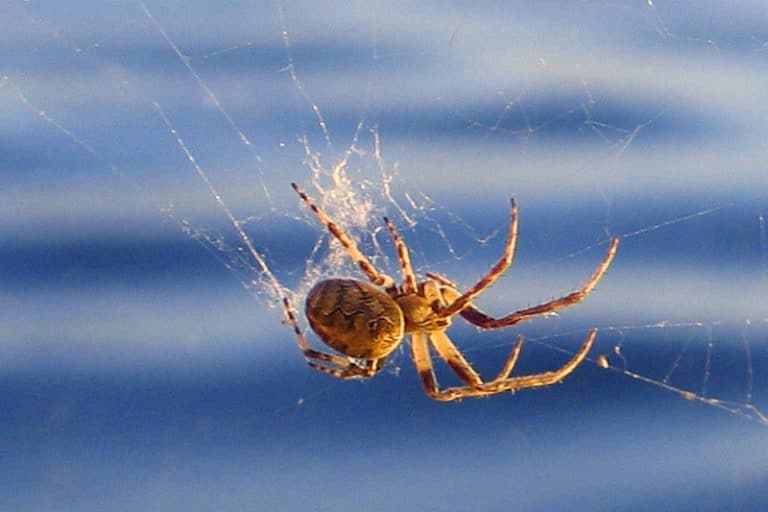
If you’ve lived in Casper for any length of time, you’ve probably had a run-in with a spider or two. Maybe you’ve spotted one scurrying across your basement floor, or you’ve walked face-first into an unexpected web on your back porch. It happens to all of us.
The good news? Most spiders in Casper are completely harmless. They’re actually doing you a favor by eating other insects. But here’s the thing: not every eight-legged visitor is welcome, and some can pose real risks to your family. At Best Pest Control, we’ve been helping homeowners and business owners across Wyoming identify and deal with spider problems for years. We know which spiders you can live with and which ones mean it’s time to pick up the phone.
Let’s walk through the most common spiders you’ll encounter in Casper, which ones deserve your attention, and when it makes sense to call in a professional exterminator.
Key Takeaways
- Most common spiders in Casper—including wolf spiders, cellar spiders, and hobo spiders—are harmless and actually help control other insect populations.
- Black widow spiders are the primary venomous concern in Casper, identifiable by their shiny black bodies and red hourglass marking.
- Brown recluse spiders are not established in Wyoming, so most brown spider sightings are likely hobo spiders or similar harmless species.
- Signs of a spider infestation include frequent daily sightings, webs appearing throughout multiple rooms, and discovering egg sacs in your home.
- DIY prevention like sealing entry points, reducing clutter, and addressing moisture issues can help, but professional exterminators are recommended for black widow sightings or persistent infestations.
- Call an exterminator in Casper if you have young children or pets, your DIY efforts have failed, or you’re dealing with a commercial property.
Common House Spiders in Casper
Casper’s climate creates the perfect conditions for several spider species to thrive. Our cold winters drive them indoors, while warm summers let them flourish in yards, garages, and outbuildings. Here are the three you’re most likely to find sharing your space.
Wolf Spiders
Wolf spiders are the ones that really get people’s hearts racing. These large, hairy spiders can grow up to 35mm in body length, and they’re fast. Unlike most spiders, wolf spiders don’t spin webs to catch prey. Instead, they actively hunt, which means you might see one darting across your floor at night.
Even though their intimidating appearance, wolf spiders aren’t dangerous to humans. Their bite is comparable to a bee sting, painful but not medically significant unless you have an allergic reaction. Carolina wolf spiders are common throughout Wyoming and tend to enter homes in fall when temperatures drop.
You’ll often find them in:
- Basements and crawl spaces
- Garages and sheds
- Under rocks, logs, and debris piles in your yard
- Along foundation walls
Cellar Spiders
You might know these as “daddy long-legs,” though that name technically belongs to a different creature entirely. Cellar spiders (sometimes called rabbit hutch spiders locally) have small bodies with extremely long, thin legs. They build messy, irregular webs in dark corners, basements, and yes, cellars.
These spiders are completely harmless. Their fangs are too small to pierce human skin effectively, and they’re actually beneficial because they prey on other spiders, including more problematic species. If you have a few cellar spiders hanging around, they’re honestly not worth worrying about.
That said, heavy infestations can create unsightly webs throughout your home. If you’re finding them in large numbers, it often signals a bigger pest problem, since they’re thriving because they have plenty of other insects to eat.
Hobo Spiders
Hobo spiders have gotten a bad reputation over the years, much of it undeserved. For a long time, they were believed to cause serious necrotic wounds similar to brown recluse bites. Current research has largely debunked this, and hobo spider bites are now considered relatively harmless.
These brown, funnel-web-building spiders are extremely common in Casper. They create distinctive funnel-shaped webs in corners, behind furniture, and in storage areas. Hobo spiders are poor climbers, so you’ll typically find them at ground level rather than up high.
They’re not aggressive and will only bite if trapped against your skin. Most people who live with hobo spiders never even know it.
Venomous Spiders to Watch For
While most Casper spiders are nuisance pests at worst, there are a couple of species that require more caution. Knowing how to identify these can help you respond appropriately.
Black Widow Spiders
Western black widows are present in Wyoming, including the Casper area. These are the spiders that genuinely warrant concern. Female black widows are easily identified by their shiny black bodies and the distinctive red hourglass marking on their underside.
Black widow venom is neurotoxic, meaning it affects the nervous system. A bite can cause:
- Intense pain at the bite site
- Muscle cramps and spasms
- Nausea and vomiting
- Difficulty breathing in severe cases
If you’re bitten by a black widow, seek medical attention promptly. While fatalities are rare, especially with modern medical care, the symptoms can be serious and extremely uncomfortable.
Black widows prefer undisturbed outdoor areas like woodpiles, rock walls, and cluttered storage spaces. They can occasionally make their way indoors, particularly into garages, basements, and crawl spaces. We check all of these areas thoroughly when treating homes for spiders, because finding and eliminating black widows requires knowing where they like to hide.
Brown Recluse Concerns
Here’s some reassuring news: brown recluse spiders are not established in Wyoming. Even though what you might read online or hear from concerned neighbors, these spiders are primarily found in the southern and central United States. Their range doesn’t extend to our area.
That’s not to say one could never show up in Casper. Occasionally, they hitchhike in boxes or furniture transported from other states. But if you think you’ve seen a brown recluse, you’ve almost certainly spotted a hobo spider or another brown spider that resembles them.
If you’re ever unsure about a spider’s identity, especially if you’re concerned it might be venomous, save it in a jar (carefully) and have a professional take a look.
Signs of a Spider Infestation
A spider here and there is normal, especially in older homes or buildings near open land. But how do you know when you’ve crossed the line from “occasional visitor” to “infestation”? Here are the signs to watch for:
Webs everywhere. A few cobwebs in the garage are typical. Webs appearing daily in multiple rooms, especially after you’ve cleaned them away, suggest a significant spider population.
Frequent sightings. Seeing a spider once a week is pretty normal. Seeing multiple spiders daily, or encountering them in unusual places like your bed or shower, indicates a larger problem.
Egg sacs. Spider egg sacs look like small cotton balls or silky pouches, usually found in secluded corners or attached to webs. A single egg sac can contain hundreds of spiderlings. Finding multiple egg sacs means your spider population is about to explode.
Other pest activity. Spiders go where the food is. A large spider population often signals that you have a thriving insect population feeding them. Addressing the underlying pest issue is often the key to controlling spiders long-term.
Activity in specific areas. Pay attention to basements, crawl spaces, attics, and storage areas. These dark, undisturbed spaces are spider favorites. If you’re seeing heavy activity in these zones, the problem is likely more extensive than what you’re noticing in your main living areas.
DIY Spider Prevention Tips
Before calling in the professionals, there are several steps you can take to make your home less appealing to spiders. These strategies won’t eliminate an existing infestation, but they can help prevent one from developing.
Seal entry points. Spiders can squeeze through surprisingly small gaps. Check around windows, doors, and your foundation for cracks and openings. Weather stripping, caulk, and door sweeps can make a big difference.
Reduce outdoor lighting. Lights don’t attract spiders directly, but they do attract the insects that spiders eat. Consider switching to yellow or sodium vapor bulbs near entry points, which are less attractive to bugs.
Clear clutter. Both inside and out, clutter provides hiding spots. Keep storage areas organized, and remove debris piles, old lumber, and stacked items from around your home’s exterior.
Vacuum regularly. This removes spiders, webs, and egg sacs before they become a bigger issue. Pay special attention to corners, under furniture, and along baseboards.
Address moisture issues. Many spiders are drawn to damp environments. Fix leaky pipes, use dehumidifiers in basements, and ensure proper drainage around your foundation.
Trim vegetation. Shrubs, trees, and plants touching your home create bridges for spiders to enter. Keep landscaping trimmed back at least a foot from exterior walls.
Store firewood away from the house. Woodpiles are prime spider habitat. Keep them at least 20 feet from your home and elevate the wood off the ground if possible.
When to Call a Professional Exterminator
DIY prevention is great for keeping spider numbers manageable, but there are situations where professional help is the smarter choice. Here’s when we recommend reaching out:
You’ve spotted black widows. Even a single black widow sighting, especially indoors or in areas where family members spend time, is worth a professional inspection. These spiders are good at hiding, and where there’s one, there may be more.
Your DIY efforts aren’t working. If you’ve sealed gaps, reduced clutter, and vacuumed religiously but still see spiders regularly, there’s likely an underlying issue that requires professional assessment. Sometimes the entry points aren’t obvious, or there’s a pest population feeding the spiders that needs to be addressed first.
You have young children or pets. Kids and pets are more likely to encounter spiders in places adults might not go, like under beds, in toy boxes, or in low cabinets. They’re also more vulnerable to bites and less likely to recognize danger. Professional treatment provides peace of mind.
The infestation is extensive. Multiple egg sacs, daily sightings, or spiders appearing in bedrooms and living areas all signal a problem beyond what home remedies can solve.
You’re dealing with a commercial property. Businesses have different considerations, including liability, customer perception, and health regulations. Professional pest control services are almost always the right call for commercial buildings.
At Best Pest Control, we take spider problems seriously. We’ll inspect attics, crawl spaces, basements, and even outdoor areas like woodpiles to find where spiders are living and breeding. Then we create a treatment plan tailored to your specific situation, including eco-friendly options for families with kids and pets who want to avoid standard pesticides.
Conclusion
Spiders are a fact of life in Casper. Our Wyoming climate, with its cold winters and warm summers, creates conditions where several species thrive. Most of the time, the spiders you encounter are harmless, even helpful. But when you’re dealing with venomous species like black widows, persistent infestations, or spider populations that just won’t quit even though your best prevention efforts, it’s time to bring in help.
Best Pest Control serves all of Wyoming, and we’ve seen just about every spider situation you can imagine. Whether it’s a single concerning spider or a full-blown infestation, we’ll get to the bottom of the problem. We check all the places spiders love to hide and develop treatment plans that actually work.
If you’re seeing spiders in your Casper home or business and want them gone, give us a call or contact us today. We’re here to help you take back your space from whatever creeps or crawls.
Frequently Asked Questions
What are the most common spiders found in Casper, Wyoming?
The most common spiders in Casper include wolf spiders, cellar spiders (often called daddy long-legs), and hobo spiders. Wolf spiders are large and fast-moving hunters, cellar spiders build messy webs in dark corners, and hobo spiders create funnel-shaped webs at ground level. Most are harmless to humans.
Are there venomous spiders in Casper I should worry about?
Yes, western black widow spiders are present in the Casper area and warrant genuine concern. They’re identified by shiny black bodies with a red hourglass marking underneath. Their neurotoxic venom can cause intense pain, muscle cramps, and nausea. Seek medical attention promptly if bitten by a black widow.
How do I know if I have a spider infestation in my home?
Signs of a spider infestation include webs appearing daily in multiple rooms, frequent spider sightings (multiple per day), finding egg sacs in corners or on webs, and heavy activity in basements, attics, or crawl spaces. A large spider population often indicates an underlying insect problem feeding them.
When should I call an exterminator for spiders?
Call a professional exterminator if you spot black widows, your DIY prevention efforts aren’t working, you have young children or pets at risk, or the infestation is extensive with multiple egg sacs and daily sightings. Commercial properties should also seek professional pest control services.
Do brown recluse spiders live in Wyoming?
No, brown recluse spiders are not established in Wyoming. They primarily inhabit the southern and central United States. If you think you’ve spotted one in Casper, it’s almost certainly a hobo spider or another brown spider species that looks similar. Occasionally, one may hitchhike in boxes from other states.
How can I prevent spiders from entering my home?
Seal cracks around windows, doors, and foundations with caulk or weather stripping. Reduce outdoor lighting that attracts insects, clear clutter inside and out, vacuum regularly to remove webs and egg sacs, fix moisture issues, trim vegetation away from walls, and store firewood at least 20 feet from your home.