
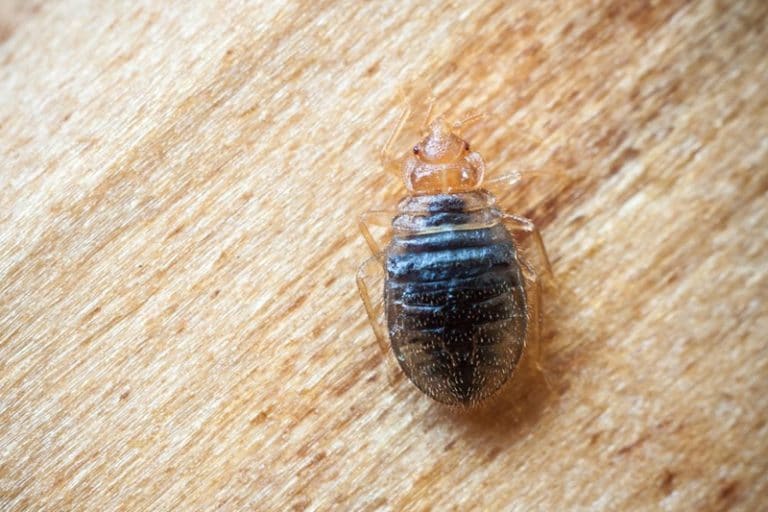
The holiday season means visiting family, exploring new places, and making memories. Unfortunately, it also means a higher chance of bringing home an unwelcome souvenir: bed bugs. At Best Pest Control, we’ve seen bed bugs make a serious comeback here in Wyoming, and increased travel is the biggest reason why. These pests don’t care how clean your home is or how nice your hotel was. They’re expert hitchhikers, sneaking into luggage, clothing, and personal items without you ever knowing.
The good news? A little awareness goes a long way. Whether you’re flying out of Casper or taking a road trip to visit relatives, there are practical steps you can take to protect your home. We’ve been battling these pests for years and want to share what we know so you can enjoy your holiday travels without the stress of a bed bug infestation waiting for you when you get back.
Key Takeaways
- Always inspect hotel beds, headboards, and furniture for signs of bed bugs before settling in—look for live bugs, dark fecal spots, shed skins, and tiny white eggs.
- Keep luggage on elevated racks away from walls and beds, and never unpack into hotel drawers to prevent bed bugs from hitchhiking home.
- After holiday travel, unpack in a garage or laundry room and dry all clothing on high heat for at least 30 minutes—heat is the most effective way to kill bed bugs.
- Don’t rely on Wyoming’s cold weather to eliminate bed bugs; they can survive freezing temperatures longer than most people expect.
- Watch for early warning signs like itchy bite clusters, rust-colored spots on bedding, or shed skins near your mattress after returning to Casper.
- If you suspect a bed bug infestation, contact a professional pest control service immediately—DIY treatments are rarely effective against these resilient pests.
Why Bed Bugs Are a Growing Holiday Travel Concern
Bed bugs are now found in all 50 states, and they’re showing up in places you might not expect. Hotels of every class, vacation rentals, airplanes, trains, and buses have all reported bed bug activity. The increase in both national and international travel has made it easier than ever for these pests to spread.
Here’s the thing that surprises most people: bed bugs have nothing to do with cleanliness. You can stay at a spotless five-star resort and still encounter them. They’re attracted to warmth, carbon dioxide, and blood, not dirt or clutter. That means anyone can pick them up, anywhere.
What makes bed bugs especially problematic is how quickly they reproduce. A single pregnant female can lay up to 5 eggs per day, and bed bugs can live for up to 300 days. So if even one hitchhikes home with you, you could have a full-blown infestation within weeks. That’s why prevention during travel is so important. Catching the problem before it starts is far easier than dealing with an established colony in your Casper home.
How to Inspect Your Hotel Room for Bed Bugs
Before you settle into any hotel room, take five minutes to do a quick inspection. It might feel a little paranoid, but trust us, it’s worth it. Bed bugs are sneaky and mostly come out at night, so you won’t likely see them crawling around in broad daylight. Instead, you’re looking for signs they’ve been there.
Check the Bed and Headboard First
Start with the bed since that’s where bed bugs spend most of their time. Pull back the sheets and inspect the mattress seams, tufts, and tags. You’re looking for:
- Live bugs (small, flat, reddish-brown insects about the size of an apple seed)
- Shed skins from molting
- Dark fecal spots that look like small ink stains
- Tiny white eggs or egg casings
Don’t forget the box spring and bed frame. And pay special attention to the headboard. Check the front, back, and where it mounts to the wall. Bed bugs love hiding in these spots because they’re close to their food source (you) but out of sight.
Examine Furniture and Soft Surfaces
Bed bugs don’t limit themselves to beds even though their name. Inspect upholstered chairs, sofas, and the bed skirt if there is one. Check along the edges of carpets near the bed and furniture.
Also examine nightstands, dresser drawers, baseboards, and picture frames. Bed bugs can squeeze into incredibly tight spaces, so look behind anything hanging on the wall and check for loose wallpaper where they might hide.
Smart Luggage Practices While Traveling
How you handle your luggage can make a big difference in whether bed bugs come home with you. Here are some habits to adopt:
- Use the luggage rack. Before placing your bag on it, give it a quick inspection. Then pull the rack away from the wall and away from the bed.
- Never put your luggage on the bed or floor. These are prime spots for bed bugs to climb aboard.
- Keep bags zipped when you’re not using them. This creates one more barrier between your belongings and any pests.
- Skip the hotel drawers. It’s tempting to unpack and settle in, but storing your clothes in dresser drawers gives bed bugs more opportunities to hitch a ride.
- Use plastic bags for extra protection. If you have any concerns about a room, seal your belongings in plastic bags. Large trash bags or vacuum-seal bags work well.
These precautions might seem excessive, but they become second nature after a while. And they’re a lot easier than dealing with bed bug pest control after the fact.
What to Do If You Spot Bed Bugs During Your Trip
So what happens if your inspection turns up evidence of bed bugs? First, don’t panic. But do act quickly.
Document everything. Take photos of any bugs, fecal spots, shed skins, or other evidence you find. This protects you if you need to dispute charges or file a complaint later.
Notify hotel management immediately. A reputable hotel will take your concerns seriously and offer solutions.
Request a new room. Here’s the important part: make sure the new room doesn’t share a wall with the infested room. Bed bugs can travel through wall voids, electrical outlets, and other small openings. Moving next door might not actually solve the problem.
Bag all your belongings. Seal everything in plastic bags until you can properly inspect and treat your items.
Use the dryer if possible. If your hotel has laundry facilities, run any potentially exposed clothing through the dryer on medium or high heat for at least 30 minutes. Heat is highly effective at killing bed bugs at all life stages. The washing itself doesn’t kill them nearly as well as the dryer does.
Preventing Bed Bugs From Entering Your Home After Traveling
You made it home. Now what? The work isn’t quite done yet. How you unpack can determine whether any stowaways make it into your living space.
Unpack in the right location. Don’t bring your luggage straight to the bedroom. Instead, unpack in a garage, mudroom, or laundry room. This keeps any potential bed bugs isolated from the areas where they’d thrive.
Wash and dry everything. Put all travel clothes directly into the washing machine. Use hot water if the fabric allows. Then dry everything on medium or high heat for at least 30 minutes. The heat from the dryer is what actually kills bed bugs and their eggs, so don’t skip this step even if the clothes seem clean.
Deal with your luggage separately. Vacuum your suitcase thoroughly, paying close attention to seams, pockets, and linings. Scrub any accessible areas. Dispose of the vacuum contents in a sealed bag and take it outside to the trash. Then store your luggage in sealed bags or keep it in a non-bedroom area like a garage or basement.
Don’t rely on Wyoming’s cold weather. This is a common misconception. While Casper certainly gets cold, outdoor temperatures aren’t reliable for killing bed bugs. They can survive in cold conditions longer than most people assume. Proper heat treatment is the only sure method.
These post-travel habits might add 30 minutes to your unpacking routine, but they’re your best defense against an infestation taking hold.
Signs You May Have Brought Bed Bugs Back to Casper
Even with the best precautions, sometimes bed bugs slip through. Knowing the early warning signs can help you catch a problem before it gets out of control.
Watch for bites. Bed bug bites typically appear as small, itchy welts. They often show up in a line or cluster on exposed skin like your arms, shoulders, neck, or face. The bites can take a few days to appear, so you might not notice them right away after returning home.
Check your bedding. Look for rust-colored or black fecal spots on your sheets, pillowcases, or mattress seams. You might also notice small blood stains from bites.
Inspect your mattress and bed frame regularly. Check the seams, tufts, and tags of your mattress. Examine the box spring and bed frame, especially in cracks and crevices. Look for shed skins, tiny white eggs, or the bugs themselves.
Don’t forget nearby furniture. Nightstands, dressers, and upholstered chairs near the bed are also common hiding spots.
If you’re finding any of these signs, don’t wait. Bed bugs reproduce quickly, and a small problem can become a major infestation in just a few weeks. Early treatment is always easier and more effective than trying to eliminate an established colony.
Conclusion
Holiday travel should be about making memories, not bringing home pests. By inspecting hotel rooms, being smart about your luggage, and following proper unpacking procedures when you get home, you can significantly reduce your risk of a bed bug problem.
But if you do suspect you’ve brought bed bugs back to Casper, don’t try to handle it alone. DIY treatments rarely work because bed bugs are incredibly good at hiding and have become resistant to many common pesticides. At Best Pest Control, we use proven methods like Cryonite treatment and professional fumigation to eliminate bed bugs at all life stages, including those hiding deep in walls or inside furniture.
We’ve been helping homeowners and businesses throughout Wyoming tackle pest problems for years, and we know how stressful a bed bug infestation can be. The sooner you act, the easier the problem is to solve. If you’re waking up with bites or noticing suspicious signs on your bedding, give Best Pest Control a call. We’ll help you get your home back to normal so you can focus on enjoying the season instead of worrying about what might be lurking in your mattress.
Frequently Asked Questions
How do I inspect a hotel room for bed bugs before unpacking?
Start by checking the mattress seams, tufts, and tags for live bugs, shed skins, dark fecal spots, or tiny white eggs. Inspect the headboard, box spring, bed frame, and upholstered furniture. Also examine nightstands, dresser drawers, and picture frames where bed bugs commonly hide.
What’s the best way to prevent bed bugs from getting into my luggage while traveling?
Use the luggage rack after inspecting it, and keep it away from the bed and walls. Never place bags on the bed or floor. Keep luggage zipped when not in use, avoid unpacking into hotel drawers, and consider sealing belongings in plastic bags for extra protection.
Can cold weather in Wyoming kill bed bugs?
No, don’t rely on Casper’s cold winters to eliminate bed bugs. These pests can survive in cold conditions longer than most people assume. Proper heat treatment, such as running clothes through a dryer on medium or high heat for at least 30 minutes, is the only reliable method.
What should I do if I find bed bugs during my hotel stay?
Document evidence with photos, notify hotel management immediately, and request a room that doesn’t share a wall with the infested room. Seal all belongings in plastic bags and run any exposed clothing through a dryer on high heat for at least 30 minutes to kill bed bugs.
How do I know if I brought bed bugs home after holiday travel?
Watch for small, itchy welts appearing in lines or clusters on exposed skin. Check bedding for rust-colored fecal spots or blood stains. Inspect mattress seams, bed frames, and nearby furniture for shed skins, tiny white eggs, or live bugs hiding in cracks and crevices.
Why are bed bugs so difficult to get rid of without professional help?
Bed bugs are expert hiders, squeezing into tiny cracks in walls, furniture, and electrical outlets. They’ve also developed resistance to many common pesticides. A single pregnant female can lay up to 5 eggs daily, allowing infestations to grow rapidly, making professional treatment essential for complete elimination.