
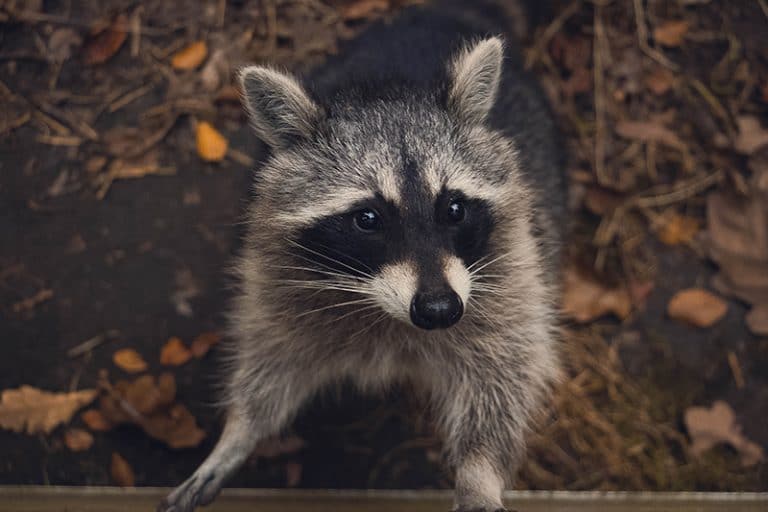
If you’ve ever walked outside to find your trash scattered across the driveway or noticed mysterious holes appearing in your lawn overnight, you’re not alone. Here in Casper, Wyoming, nuisance wildlife like raccoons, skunks, and other critters have become increasingly common visitors to residential yards. These animals aren’t just passing through, they’re actively seeking food, water, and shelter, and our homes often provide exactly what they’re looking for.
At Best Pest Control, we’ve been helping Wyoming homeowners deal with unwanted wildlife for decades. We’ve seen everything from raccoons setting up camp under porches to skunks making themselves at home in window wells. And while these animals might seem harmless (or even cute), they can cause significant damage and pose real risks to your family and pets. In this guide, we’ll walk you through the most common nuisance wildlife species in Casper, explain what draws them to your property, and share practical strategies for keeping them away, or safely removing them if they’ve already moved in.
Common Nuisance Wildlife Species in Casper
Casper’s location along the North Platte River corridor, combined with our mix of urban development and open spaces, creates prime habitat for several wildlife species. While we appreciate Wyoming’s natural beauty, certain animals cause real problems when they move into residential areas. Here are the main culprits we encounter regularly.
Raccoons
Raccoons are perhaps the most recognizable nuisance wildlife in Casper yards. These masked bandits are incredibly intelligent and adaptable, which makes them particularly challenging to deal with. They’re primarily nocturnal, so you might not see them directly, but you’ll certainly notice the evidence of their nighttime activities.
Raccoons have remarkably dexterous front paws that can open latches, turn doorknobs, and pry off garbage can lids with ease. They’re opportunistic omnivores, meaning they’ll eat just about anything, from pet food left outside to garden vegetables, bird eggs, and whatever’s in your trash. In Casper, we often find them denning under decks, in attics, or inside chimneys during breeding season.
Skunks
Skunks are another frequent problem in Casper neighborhoods. While their notorious spray is the first thing most people think of, skunks actually cause damage in other ways too. They’re diggers by nature, and they’ll tear up lawns searching for grubs and insects. You might wake up to find cone-shaped holes scattered across your yard, classic skunk foraging evidence.
These black-and-white creatures typically den under porches, sheds, and concrete stoops. They’re generally docile and won’t spray unless they feel threatened, but having them living on your property dramatically increases the risk of a smelly encounter. And if your dog gets curious? Well, you already know how that ends.
Other Frequent Visitors
Beyond raccoons and skunks, Casper homeowners deal with a variety of other nuisance wildlife. Voles are incredibly destructive to landscaping, creating dead patches, holes in lawns, and damage to plants and trees. We’ve seen vole infestations completely destroy established gardens and cause trees to lean from root damage.
Squirrels may seem harmless, but they frequently chew through fascia boards and soffits to access attics, where they can gnaw on electrical wiring and create fire hazards. Opossums, while generally beneficial for tick control, can become problematic when they move under homes or into garages. And bats, though protected and ecologically valuable, pose health concerns when they roost in attics or wall voids.
We also regularly encounter snakes around Casper properties. Most are non-venomous and actually help control rodent populations, but that doesn’t make homeowners any less alarmed to find one sunning on the patio.
Why Wildlife Is Attracted to Residential Yards
Understanding why wildlife shows up in the first place is half the battle. These animals aren’t targeting your property randomly, they’re responding to basic survival needs. When we evaluate a property for wildlife issues, we look for three main attractants.
Food sources are the primary draw. Unsecured garbage cans are like an all-you-can-eat buffet for raccoons and skunks. Pet food left outdoors, fallen fruit from trees, vegetable gardens, and bird feeders all provide easy meals. Even compost piles can attract wildlife if they contain food scraps. Grub-infested lawns are particularly appealing to skunks, who can smell those larvae underground.
Water availability matters more than most people realize. Birdbaths, pet water bowls, leaky hoses, decorative ponds, and even clogged gutters that hold standing water can attract thirsty animals, especially during Wyoming’s drier months.
Shelter opportunities complete the trifold. Our homes offer protection from predators and harsh weather that wildlife can’t resist. Gaps under porches, unsealed crawl spaces, cluttered sheds, brush piles, and overgrown vegetation all provide hiding spots and denning sites. Raccoons are especially fond of chimneys and attics, while skunks prefer ground-level hideouts.
Casper’s semi-arid climate and cold winters make residential areas even more attractive. Our homes provide warmth, consistent water sources, and predictable food supplies that the surrounding prairie simply can’t match. As development continues to expand into wildlife habitat, encounters are only going to increase.
Signs of Nuisance Wildlife Activity
Early detection makes wildlife problems much easier to address. Here’s what we tell homeowners to watch for:
Tracks and trails are often the first indicator. Raccoon prints look surprisingly like tiny human handprints, while skunk tracks show five toes with visible claw marks. After fresh snow or rain, check soft soil and mud near potential food sources for prints.
Droppings reveal a lot about your uninvited guests. Raccoon scat is typically dark, tubular, and often contains visible food remnants like seeds or berries. Skunk droppings are similar but usually smaller. Finding droppings near garbage cans, under decks, or in garages suggests animals are spending significant time on your property.
Lawn damage presents differently depending on the species. Skunks create small, cone-shaped holes as they dig for grubs. Raccoons roll back sections of sod to access insects underneath. Voles leave distinctive surface runways, those serpentine trails of flattened grass, along with dead patches where they’ve been feeding on roots.
Structural damage indicates animals are trying to access or have already entered buildings. Look for torn screens, damaged vents, chewed fascia boards, or disturbed insulation visible from attic spaces. Raccoons often leave greasy rub marks around their entry points.
Sounds and smells shouldn’t be ignored either. Scratching, thumping, or chittering noises from attics or walls, especially at night, often indicate wildlife has moved in. And that unmistakable musky skunk odor? Even without a direct spray, skunks leave a lingering scent near their dens.
If you’re noticing multiple signs, you likely have an established wildlife presence rather than just occasional visitors passing through.
Risks and Damage Caused by Urban Wildlife
We don’t want to be alarmist, but nuisance wildlife causes real problems that go beyond mere inconvenience. Understanding these risks helps homeowners appreciate why prompt action matters.
Property damage adds up quickly. Raccoons nesting in attics destroy insulation, damage ductwork, and create moisture problems with their urine and feces. We’ve seen repair bills run into thousands of dollars for severe infestations. Skunks undermining foundations with their burrows can cause structural settling. Voles girdle trees and shrubs, killing plants that took years to establish.
Health concerns are legitimate. Raccoons are the primary carriers of rabies in Wyoming, and while cases are relatively rare, the risk exists. Both raccoons and skunks can also carry distemper, which is fatal to unvaccinated dogs. Raccoon roundworm, found in their feces, poses serious health risks to humans, especially children who might come into contact with contaminated soil.
Skunk spray, beyond being incredibly unpleasant, can cause temporary blindness and nausea if it hits someone directly. And dried wildlife droppings in attics or crawl spaces can harbor histoplasmosis spores, a fungal infection affecting the lungs.
Pet safety is another consideration. Direct confrontations between pets and wildlife can result in bites, scratches, and disease transmission. Even a small skunk can seriously injure a curious dog, and raccoons are surprisingly fierce fighters when cornered.
Secondary pest problems often follow wildlife infestations. Fleas, ticks, and mites that hitchhike on raccoons and skunks can quickly establish themselves in your home. Rodent populations may increase as they’re attracted to the same conditions drawing larger wildlife. It’s not uncommon for us to address a raccoon problem only to discover a developing rodent issue as well.
Effective Prevention Strategies for Homeowners
Prevention is always easier than removal. Here are the practical steps we recommend to make your Casper property less appealing to nuisance wildlife:
Secure all food sources. Invest in wildlife-resistant garbage cans with locking lids, or store trash in a garage until collection day. Bring pet food and water bowls inside at night. Clean up fallen fruit and vegetables promptly. If you maintain bird feeders, use baffles and clean up spilled seed regularly, or consider taking feeders down temporarily if wildlife pressure is high.
Eliminate water sources where practical. Empty birdbaths at night, fix leaky outdoor faucets, and ensure proper drainage so water doesn’t pool in your yard.
Remove shelter opportunities. Clear brush piles, stack firewood away from the house, and trim overgrown vegetation that provides cover. Most importantly, seal potential entry points. Install hardware cloth over foundation vents, cap chimneys with appropriate covers, and close gaps under porches and decks with buried wire mesh.
Address lawn grubs if skunks are repeatedly digging in your yard. Treating for grubs eliminates the food source that’s attracting them in the first place.
Use motion-activated deterrents strategically. Lights, sprinklers, and ultrasonic devices can discourage wildlife from lingering, though determined animals may eventually ignore them. These work best as part of a comprehensive approach rather than standalone solutions.
Maintain your landscape with wildlife in mind. Keep grass trimmed, which reduces vole habitat and makes your yard less attractive to various species seeking cover.
Consistency matters with prevention. A single night of leaving trash unsecured or pet food outside can undo weeks of careful effort. Wildlife have excellent memories for reliable food sources.
Safe and Humane Removal Options
When prevention isn’t enough and wildlife has already established itself on your property, removal becomes necessary. Here’s what you need to know about handling the situation properly.
DIY limitations are real. While some homeowners attempt to trap and relocate wildlife themselves, this approach comes with significant challenges. Wyoming has specific regulations about wildlife trapping and relocation. Improper handling can result in bites, scratches, or, in the case of skunks, a very memorable experience. Mother raccoons separated from their young will cause extensive damage trying to reunite with them. And relocated animals often don’t survive in unfamiliar territory.
Professional wildlife control offers several advantages. Trained technicians understand animal behavior, use appropriate equipment, and follow legal requirements. At Best Pest Control, we handle wildlife issues humanely while protecting your property and family. We’ll inspect your home and property thoroughly, identify entry points, remove animals safely, and carry out exclusion measures to prevent future problems.
What to expect from professional service: We start with a complete assessment of your property to understand the scope of the issue. Depending on the species and situation, we may use live traps, one-way exclusion doors, or other humane methods. Once animals are removed, we’ll seal entry points with appropriate materials and advise on cleanup and sanitation, particularly if animals were living in attic spaces or crawl areas.
Timing considerations matter. Spring and early summer are breeding seasons for most nuisance wildlife, which complicates removal. Evicting a mother raccoon in April often means orphaned young left behind in your attic, a situation nobody wants. Professional wildlife control technicians know how to handle these sensitive situations appropriately.
Emergency situations require immediate attention. If you encounter a raccoon or skunk acting strangely during daylight hours, stumbling, aggressive, or seemingly unafraid of people, keep your distance and contact animal control. These behaviors can indicate rabies infection.
Conclusion
Living alongside wildlife is part of life in Wyoming, but that doesn’t mean you have to share your property with raccoons, skunks, and other nuisance animals. By understanding what attracts them, recognizing the signs of their presence, and implementing consistent prevention strategies, you can significantly reduce wildlife conflicts around your Casper home.
When problems do arise, and sometimes they will even though your best efforts, professional help makes a real difference. At Best Pest Control, we’ve been protecting Wyoming homes and families from pests and nuisance wildlife since 1998. Our family-owned company understands local wildlife behavior and knows how to address problems humanely and effectively.
Don’t wait for a small wildlife issue to become a major infestation. If you’re seeing signs of raccoons, skunks, voles, or other nuisance wildlife on your property, reach out to us. We’ll inspect your property, identify the problem, and create a plan to protect your home. After all, the only wildlife in your yard should be the kind you actually want there.