
There’s a common misconception that Wyoming’s brutal winters give homeowners a break from pest problems. After all, how could anything survive when temperatures plunge well below freezing and snow blankets the ground for months? The truth is, many pests don’t just survive Casper’s cold season, they thrive, often right inside your walls.
We’ve seen it time and again: homeowners who assume the cold has killed off their pest problems, only to discover mice nesting in the attic or spiders lurking in the basement. Winter pest control in Casper isn’t optional. It’s essential. And understanding what’s still creeping and crawling during these frigid months is the first step toward protecting your home and family.
Why Pests Don’t Disappear in Wyoming Winters
If you think pests simply freeze to death when winter hits, you’re not alone, but you’re also mistaken. Many pest species have evolved remarkable survival strategies that allow them to outlast even the harshest Wyoming winters.
Some insects enter a state called diapause, essentially a hibernation mode that slows their metabolism and allows them to survive without food for extended periods. Others seek shelter in protected environments, and your warm, insulated home is the perfect refuge.
Rodents, meanwhile, don’t hibernate at all. They remain active year-round and actually become more aggressive about finding indoor shelter as temperatures drop. That cozy feeling you get when you crank up the heat? Mice and rats feel it too, and they’ll exploit any gap larger than a dime to get inside.
Casper’s location in central Wyoming means we experience significant temperature swings. A mild day followed by a sudden cold snap can drive pests indoors in waves. And once they’re inside, they’re not leaving voluntarily. Your home provides everything they need: warmth, moisture, food sources, and protection from predators.
The bottom line? Winter doesn’t eliminate pest problems, it often concentrates them inside our living spaces.
Common Winter Pests in Casper Homes
Knowing your enemy is half the battle. Here are the pests we most commonly encounter in Casper homes during the winter months.
Mice and Rodents
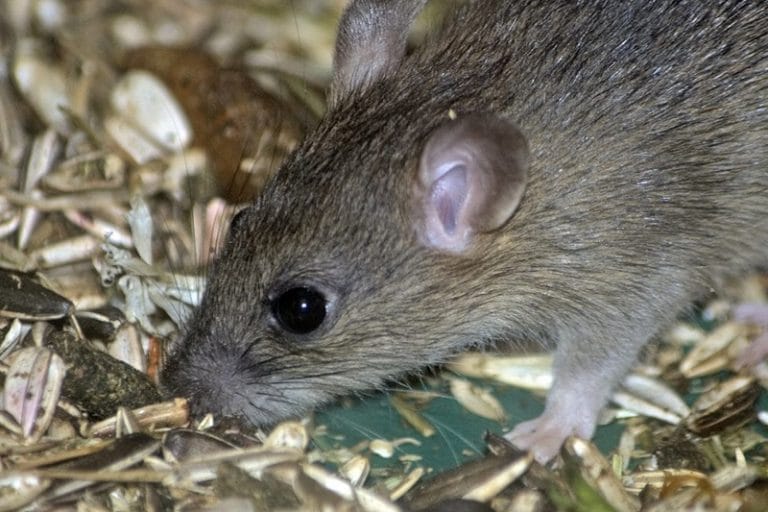
Mice are far and away the most common winter pest complaint we receive. These little invaders can squeeze through openings as small as a quarter-inch, and they’re incredibly resourceful. Once inside, they’ll nest in wall voids, attics, basements, and anywhere else that offers warmth and seclusion.
The problem with mice isn’t just the creepy factor. They chew through electrical wiring (creating fire hazards), contaminate food supplies, and can transmit diseases like hantavirus, a serious concern here in Wyoming. A single pair of mice can produce dozens of offspring in just a few months, so what starts as a minor problem can quickly become a full-blown infestation.
Rats are less common in Casper than mice, but we do see them, particularly in older homes and commercial properties. They cause similar damage but on a larger scale.
Spiders
While most spiders are harmless, and actually beneficial since they eat other pests, seeing them in your home is rarely welcome. During winter, spiders seek out quiet, undisturbed areas like basements, crawl spaces, closets, and storage boxes.
Wolf spiders are common in this area and can give homeowners quite a scare due to their size. And yes, we do occasionally encounter black widows in Casper, particularly in garages, sheds, and wood piles. While bites are rare, they can be dangerous, especially to children, the elderly, and those with compromised immune systems.
Cockroaches
Cockroaches might seem like a southern problem, but they’re more common in Wyoming than many people realize. These resilient insects can survive almost anywhere humans live, and they’re excellent at hiding. German cockroaches, in particular, thrive in kitchens and bathrooms where moisture and food are readily available.
The scary thing about cockroaches? If you see one, there are almost certainly more you’re not seeing. They reproduce quickly, with a single female capable of producing hundreds of offspring in her lifetime. Cockroach infestations can trigger allergies and asthma, contaminate food, and spread bacteria.
Boxelder Bugs and Overwintering Insects
Boxelder bugs, Asian lady beetles, and cluster flies are what we call “overwintering” insects. They don’t reproduce indoors or cause structural damage, they’re simply looking for a warm place to ride out the winter.
In fall, these insects gather on sun-warmed exterior walls before finding their way inside through gaps around windows, doors, and utility penetrations. Once inside, they’ll hunker down in wall voids, attics, and other protected spaces. On warm winter days, they may emerge inside your home, creating a nuisance even if they’re not truly harmful.
The good news is that overwintering insects are more of an annoyance than a threat. The bad news? They can appear in large numbers, and once they’re established in your home’s structure, they’ll return year after year.
Signs of a Winter Pest Infestation
Pests are experts at staying hidden, but they always leave evidence. Here’s what to look for during the winter months.
Droppings: Mouse droppings are small, dark pellets typically found along walls, in cabinets, or near food sources. Cockroach feces resemble coffee grounds or black pepper. Finding droppings is a clear sign you have an active infestation.
Gnaw marks and damage: Mice and rats constantly chew to keep their teeth worn down. Look for gnaw marks on food packaging, wood trim, and even electrical wiring. Fresh gnaw marks are lighter in color: older ones are darker.
Sounds: Scratching, scurrying, or squeaking sounds in walls or ceilings, especially at night, often indicate rodent activity. If you hear these sounds, don’t ignore them.
Nests: Rodents build nests from shredded paper, fabric, insulation, and other soft materials. Check in secluded areas like attics, basements, and behind appliances.
Grease marks: Mice and rats have oily fur that leaves dark smudges along their regular travel routes. Look for these marks along baseboards and walls.
Live or dead insects: Seeing live cockroaches during the day suggests a heavy infestation, since they’re normally nocturnal. Finding dead boxelder bugs or lady beetles on windowsills indicates overwintering pests in your walls.
Unusual pet behavior: Dogs and cats often notice pests before we do. If your pet is suddenly fixated on a particular wall or area, investigate.
The key is not to dismiss these signs or assume a small problem will resolve itself. Winter pest issues tend to worsen over time, not improve.
How to Prevent Pests During Cold Months
Prevention is always preferable to dealing with an active infestation. Here’s how to make your Casper home less attractive to winter pests.
Seal entry points: This is the single most effective prevention measure. Walk around your home’s exterior and look for gaps around pipes, wires, vents, and where different building materials meet. Use caulk, steel wool, or hardware cloth to seal openings. Remember, mice can fit through incredibly small gaps, if you can slide a pencil through it, a mouse can get through.
Address moisture issues: Many pests, including cockroaches and spiders, are attracted to moisture. Fix leaky pipes, ensure proper drainage away from your foundation, and use dehumidifiers in damp basements.
Store food properly: Keep pantry items in sealed glass or plastic containers. Don’t leave pet food out overnight. Clean up crumbs and spills promptly. Taking away food sources makes your home far less appealing to pests.
Reduce clutter: Clutter provides hiding spots and nesting materials. Keep storage areas organized, store items in plastic bins rather than cardboard boxes, and don’t let newspapers or magazines pile up.
Maintain your yard: Trim shrubs and tree branches away from your home. Store firewood at least 20 feet from the house and elevated off the ground. Clear leaf litter and debris from around your foundation.
Check items before bringing them inside: Boxelder bugs and other overwintering insects often hitch rides on firewood, holiday decorations stored in garages or sheds, and even Christmas trees. Give these items a good shake or inspection before bringing them indoors.
Install door sweeps and weatherstripping: The gaps under doors and around windows are common entry points. Proper weatherstripping not only keeps pests out but also improves your home‘s energy efficiency.
These measures won’t guarantee a pest-free home, but they significantly reduce your risk and make it harder for infestations to establish.
When to Call a Professional Exterminator
DIY pest control has its place, but there are situations where professional help is the smarter choice.
You’re seeing signs of an established infestation. If you’re finding multiple droppings, hearing sounds in the walls regularly, or seeing pests during daylight hours, the problem has likely grown beyond what store-bought traps and sprays can handle.
The pests pose health risks. Rodents can transmit serious diseases. Cockroach infestations worsen indoor air quality and can trigger respiratory issues. When health is on the line, it’s worth investing in professional treatment.
You’ve tried DIY methods without success. If you’ve set traps, sealed gaps, and eliminated food sources but still have a pest problem, it’s time to bring in experts who can identify what you’re missing.
You want to prevent future problems. Professional pest control isn’t just reactive, it’s proactive. Regular inspections and treatments can stop problems before they start, which is especially valuable for businesses or rental properties.
At Best Pest Control, we serve all of Wyoming and understand the specific pest challenges Casper homeowners face. Whether you’re dealing with mice, spiders, cockroaches, or overwintering insects, we’ll inspect your property thoroughly, identify entry points and attractants, and develop a treatment plan tailored to your situation.
We also offer eco-friendly and chemical-free options for families with children, pets, or environmental concerns. Our green solutions include non-toxic baits, organic elimination methods, and guidance on sealing entry points and reducing pest attractants.
Don’t let a winter pest problem get out of control. The sooner you address it, the easier, and less expensive, it is to resolve.
Conclusion
Winter in Casper brings plenty of challenges, but pests don’t have to be one of them. Understanding that cold weather doesn’t eliminate pest activity, it simply moves it indoors, is the first step toward protecting your home.
Stay vigilant for signs of infestation. Take preventive measures seriously, especially sealing entry points and eliminating food and moisture sources. And don’t hesitate to call in professional help when a problem exceeds your ability to handle it alone.
At Best Pest Control, we’ve been helping Wyoming families deal with everything that creeps and crawls for years. If you’re seeing signs of winter pests in your Casper home, contact us today. We’ll get rid of the problem so you can enjoy your winter with peace of mind, not unwanted houseguests.