
As the snow melts and temperatures climb in Casper, we’re not the only ones eager to enjoy the warmer weather. Spring marks the start of peak pest season in Wyoming, and homeowners who don’t prepare now often find themselves dealing with unwanted guests, ants marching through the kitchen, spiders setting up shop in corners, or worse. The good news? A little prevention goes a long way.
We’ve put together this spring pest control checklist specifically for Casper homeowners who want to stay ahead of the problem. Whether you’re tackling minor nuisances or hoping to avoid a full-blown infestation, these practical steps will help you protect your home, family, and peace of mind as the season shifts.
Why Spring Is Prime Time for Pest Activity in Casper
Wyoming winters are harsh, and most pests spend those cold months hunkered down, hibernating, hiding in wall voids, or waiting out the freeze in sheltered spots. But once spring arrives in Casper, everything changes. Warmer soil temperatures trigger insects to emerge, and rising humidity creates ideal conditions for breeding.
Ants begin foraging for food to feed their growing colonies. Spiders become more active as their prey populations explode. Wasps start building new nests. Rodents that may have spent winter in your attic or crawl space venture out, and sometimes deeper into your living areas, in search of food and water.
Casper’s unique climate also plays a role. Our rapid temperature swings in early spring can push pests indoors seeking stable environments. One day it’s 60 degrees, the next we’re back to freezing. Your home offers exactly what these critters need: consistent warmth, moisture, and access to food.
This is why spring pest control matters so much. The pests you see in April are often the advance scouts. Ignore them, and by summer you could be dealing with established colonies that are much harder (and more expensive) to eliminate. Taking action now disrupts their life cycles before populations can explode.
Inspect and Seal Entry Points Around Your Home
Pests don’t need an invitation, they just need an opening. And you’d be surprised how small that opening can be. Mice can squeeze through gaps the size of a dime, while insects slip through cracks you’d never notice during your daily routine. A thorough inspection of your home’s exterior is one of the most effective spring pest control measures you can take.
Check Windows, Doors, and Foundation Cracks
Start with the obvious entry points. Examine the weatherstripping around doors, if you can see daylight underneath or around the edges, pests can get through. Check window screens for tears or holes, and make sure frames fit snugly. Even small gaps around window AC units or dryer vents create easy access.
Your foundation deserves special attention. Over winter, freeze-thaw cycles can widen existing cracks or create new ones. Walk the perimeter of your home and look for any gaps where the foundation meets the siding. Caulk small cracks and consider hydraulic cement for larger openings. Don’t forget to inspect where concrete steps or patios meet your home, these joints often separate over time.
Address Gaps Around Pipes and Utility Lines
Every pipe, cable, or utility line that enters your home is a potential pest highway. Check around plumbing penetrations under sinks and behind toilets. Examine where HVAC lines enter from outdoor units. Look at electrical conduits and cable TV connections.
Use steel wool combined with caulk to seal gaps around pipes, rodents can chew through foam or caulk alone, but steel wool stops them. For larger openings, hardware cloth or metal flashing provides a more permanent solution. And don’t overlook your dryer vent: make sure the exterior flap closes properly and hasn’t become clogged with lint.
Eliminate Standing Water and Moisture Problems
Moisture is a pest magnet. Mosquitoes need standing water to breed, even a bottle cap full can support larvae. Cockroaches gravitate toward damp areas. Termites require moisture to survive. And many other insects are drawn to humid environments where they can thrive.
Walk your property after a spring rain and note where water collects. Clogged gutters that overflow create moisture problems along your foundation and can attract everything from mosquitoes to carpenter ants. Clean them out and make sure downspouts direct water at least three feet away from your home.
Check for low spots in your yard where puddles form and consider regrading or adding drainage solutions. Birdbaths, plant saucers, old tires, and even kids’ toys can hold enough water to become breeding grounds. Empty them regularly or store them where they won’t collect rain.
Indoors, address any leaky faucets, dripping pipes, or running toilets. Inspect under sinks and around water heaters for signs of moisture. If your basement or crawl space tends toward dampness, a dehumidifier can make the space far less hospitable to pests. Proper ventilation in bathrooms and kitchens also helps reduce humidity that attracts insects.
Clean Up Your Yard and Landscaping
Your landscaping can either deter pests or roll out the welcome mat for them. As you tackle spring yard work, keep pest prevention in mind.
Overgrown vegetation touching your home creates bridges for insects and rodents. Trim back shrubs and tree branches so they’re at least a foot away from your siding and roof. This simple step eliminates pathways pests use to access your home and improves air circulation that helps keep siding dry.
Rake up leaf litter and debris that’s accumulated over winter. These organic materials provide shelter and food sources for a variety of pests, including voles, which can be incredibly destructive to Wyoming landscaping. Voles tunnel through lawns, damage plant roots, and can even cause trees to lean as they gnaw at root systems. Clearing debris removes their hiding spots.
Mulch looks great, but piling it against your foundation invites trouble. Keep mulch beds at least six inches away from your home’s exterior and limit depth to two or three inches. Deep, moist mulch creates ideal conditions for termites, ants, and other insects. Consider switching to gravel or rock near the foundation for better pest resistance.
Store Firewood and Debris Away From Your Home
Firewood stacked against your house is basically a pest hotel with direct access to your living space. Termites, carpenter ants, spiders, and rodents all love woodpiles. Move firewood at least 20 feet from your home and elevate it off the ground on a rack.
The same goes for lumber, construction materials, or yard debris. Anything organic stored against your exterior walls provides harborage for pests. Old patio furniture, unused planters, and accumulated junk in side yards should be cleared out or moved away from the structure.
Organize and Declutter Storage Areas
Basements, garages, and attics often become pest havens because we rarely spend much time there. Out of sight, out of mind, until you notice droppings, damage, or an actual pest scurrying away when you open a box.
Clutter provides exactly what pests need: hiding spots, nesting materials, and undisturbed spaces to reproduce. Cardboard boxes are particularly problematic. Cockroaches love cardboard, they eat the glue and hide in the corrugations. Rodents shred it for nesting material. Silverfish feed on the paper fibers.
Switch to plastic storage bins with tight-fitting lids. They’re more resistant to pests, protect your belongings from moisture, and make it easier to see what’s inside. Organize items off the floor on shelving when possible, creating clearance that makes pest activity easier to spot during routine checks.
While you’re at it, donate or discard items you no longer need. That box of old magazines, the broken exercise equipment, forgotten holiday decorations, if you haven’t used it in years, it’s just providing real estate for pests. A clean, organized storage area is much easier to monitor and far less attractive to unwanted critters.
Watch for Common Spring Pests in Wyoming
Knowing what to look for helps you catch problems early. Here are the pests we see most often as spring arrives in the Casper area:
Ants are among the most common nuisances. Most have outdoor nests but enter homes searching for food and water. Once they find a reliable source, they leave pheromone trails that guide the whole colony right to your kitchen. Carpenter ants are a bigger concern, they tunnel into wood and can cause structural damage over time.
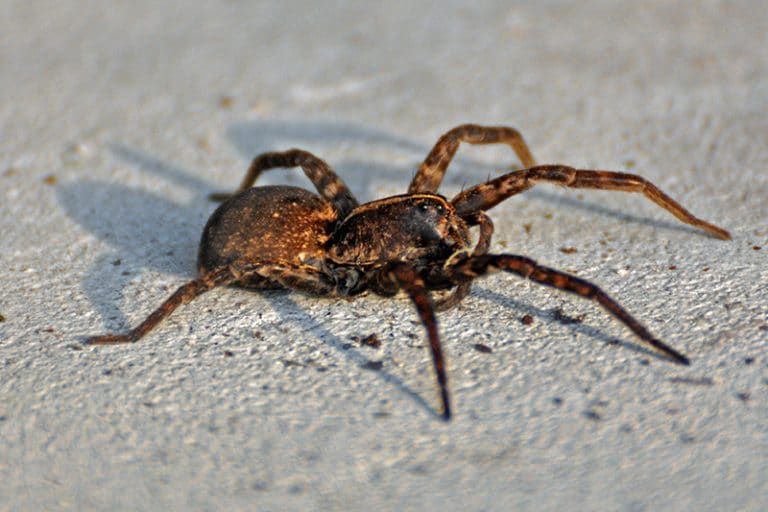
Spiders become more visible in spring as insect populations grow and they have more to hunt. While most Wyoming spiders are harmless, we do have wolf spiders and black widows that warrant caution. If you’re seeing lots of spiders indoors, you likely have another pest problem providing their food source.
Wasps begin building new nests in spring. Check eaves, porch ceilings, and sheltered areas around your home regularly. A small nest in April is easy to address: a large, established colony in July is a different story, and dangerous for anyone with allergies.
Rodents like mice and voles may have moved in during winter and are now more active. Look for droppings, gnaw marks, or greasy rub marks along walls. Voles cause extensive damage to yards and landscaping, creating dead patches, holes in lawns, and damaged plants.
Termites swarm in spring when winged reproductives leave established colonies to start new ones. If you see swarmers indoors or notice mud tubes on foundation walls, you need professional help immediately. Termite damage costs homeowners up to $5 billion annually nationwide, and catching an infestation early saves enormous headache and expense.
When to Call a Professional Pest Control Service
Prevention goes a long way, but sometimes you need expert help. Here’s when we recommend bringing in professionals:
You’re seeing pests regularly even though your efforts. The occasional ant or spider isn’t cause for alarm, but consistent sightings suggest an established population that DIY methods won’t eliminate.
You’ve found signs of structural pests. Termites, carpenter ants, or wood-boring beetles require professional treatment. The damage they cause far exceeds the cost of expert intervention.
You’re dealing with stinging insects. Wasp and hornet nests can be dangerous to remove, especially if located in hard-to-reach areas or if anyone in your household has allergies.
Rodent activity continues. Mice and rats reproduce quickly and can spread disease. If traps aren’t solving the problem, professionals can identify entry points you’ve missed and carry out more comprehensive control measures.
You want ongoing protection. A regular treatment plan helps prevent problems before they start, keeping pests at bay throughout the season.
At Best Pest Control, we’ve been serving Wyoming homeowners since 1998. As a local, family-owned company, we understand the specific pest pressures Casper residents face. Whether you’re dealing with ants, spiders, rodents, termites, bed bugs, or wildlife, we’ll inspect your property, identify the issue, and create a treatment plan tailored to your situation. We also offer eco-friendly and chemical-free options for families who prefer organic solutions.
Our promise is simple: we get rid of the bugs and pests so you can have absolute peace of mind.
Conclusion
Spring pest control isn’t about one big effort, it’s about consistent attention to the details that make your home less inviting to unwanted visitors. Seal entry points, eliminate moisture, clean up your yard, and stay vigilant for early warning signs. These steps won’t take much time, but they’ll save you significant headaches as the season progresses.
If you’re a Casper homeowner who’d rather enjoy spring than worry about what’s crawling around your property, take action now while pest populations are still manageable. And if you discover a problem that’s beyond DIY solutions, don’t wait, early professional intervention is always easier and more effective than dealing with an established infestation.
Have questions or need help with spring pest control in Casper? Contact Best Pest Control today. We’re here to protect your home, your family, and your peace of mind.