
Living in Casper means dealing with Wyoming’s unique climate, hot, dry summers and cold, harsh winters. And while we love the wide-open spaces and stunning landscapes, we’re not the only ones who call this region home. Pests do too. From ants marching into kitchens during spring to rodents seeking shelter when temperatures plummet, Casper homeowners face year-round pest pressures that require a strategic approach.
So how often should you schedule pest control service? The answer isn’t one-size-fits-all. It depends on factors like your home’s age, location, past infestations, and the specific pests common to our area. In this guide, we’ll break down the recommended pest control frequency for Casper homes and help you determine what schedule makes the most sense for your situation.
Why Regular Pest Control Matters in Casper’s Climate
Casper’s semi-arid climate creates distinct challenges when it comes to pest management. Our temperature swings, from triple-digit summer heat to below-zero winter nights, force pests to constantly seek shelter, food, and water. And your home? It’s the perfect refuge.
During summer, ants, spiders, and wasps become aggressive as they forage and expand colonies. When fall arrives, rodents start looking for warm places to nest before winter hits. Even in the coldest months, pests like cockroaches and bed bugs remain active indoors, taking advantage of heated spaces.
Regular pest control isn’t just about dealing with what you see. It’s about prevention. By the time most homeowners notice an infestation, the problem has already grown significantly. Cockroaches can multiply rapidly, bed bugs can lay up to 5 eggs per day and survive 300 days, and ant colonies can number in the thousands, all hidden behind walls, under floors, or in dark corners.
A proactive approach breaks the pest lifecycle before populations explode. At Best Pest Control, we’ve found that consistent treatment schedules dramatically reduce emergency calls and costly infestations. Rather than playing catch-up, regular service keeps your home protected through every season Wyoming throws at us.
Recommended Pest Control Frequency for Casper Homes
Most Casper homeowners benefit from regularly scheduled pest control, but the ideal frequency depends on your specific circumstances. Here’s what we typically recommend.
Quarterly Treatments for Year-Round Protection
For the average Casper home, quarterly pest control, that’s four treatments per year, provides the sweet spot between protection and practicality. This schedule aligns perfectly with seasonal pest activity shifts in Wyoming.
Each quarterly visit allows us to:
- Apply fresh perimeter treatments before they lose effectiveness
- Address emerging seasonal threats before they become problems
- Inspect for new entry points or conditions that attract pests
- Adjust our approach based on what we’re seeing in the area
Most pest control products remain effective for about 60-90 days, making quarterly applications ideal for maintaining consistent protection. This schedule works well for homes without active infestations, those in established neighborhoods, and families looking for reliable prevention without frequent visits.
At Best Pest Control, we offer both traditional and chemical-free options for quarterly service. If you have kids, pets, or simply prefer an eco-friendly approach, we can set up an organic treatment plan using non-toxic baits, traps, and deterrents that still deliver results.
When Monthly Service Makes Sense
Sometimes quarterly isn’t enough. Monthly pest control becomes necessary when you’re dealing with more challenging situations:
Active infestations: If you’re currently battling ants, cockroaches, or other persistent pests, monthly treatments help break the reproduction cycle faster. Depending on severity, we may need to re-treat areas multiple times, especially with ants, where finding and eliminating nests is critical.
High-risk properties: Older homes with more entry points, properties near fields or wooded areas, or homes with crawl spaces and basements often see higher pest pressure.
Previous infestation history: If you’ve dealt with termites, bed bugs, or rodents before, more frequent monitoring helps catch any resurgence early.
Commercial properties: Businesses, especially those in food service, typically require monthly service to meet health codes and protect their reputation.
Monthly service costs more, but for the right situations, it’s worth every penny. Once the issue is under control, most homeowners can transition back to quarterly maintenance.
Seasonal Pest Threats Casper Homeowners Should Know
Understanding what pests are most active each season helps you stay vigilant and recognize problems early.
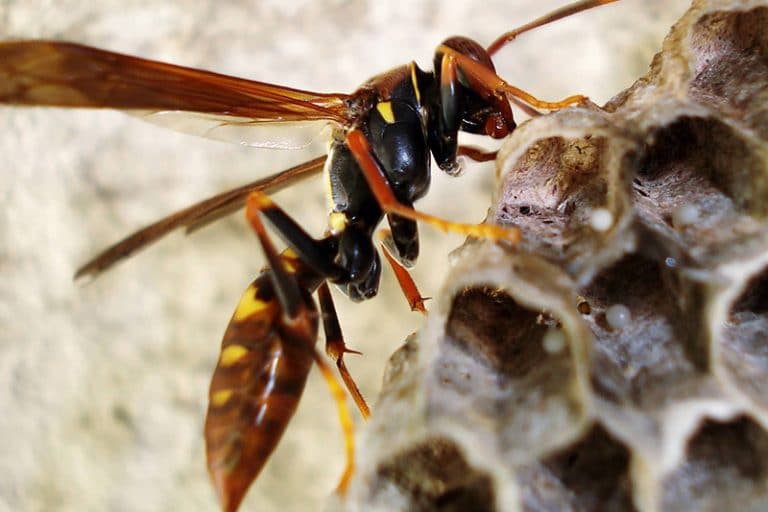
Spring (March–May): As temperatures warm, ant colonies emerge hungry and aggressive. This is when you’ll notice trails heading toward kitchens and bathrooms in search of food and water. Wasps also start building nests during spring, catch them early before colonies grow. Spiders become more visible as they hunt emerging insects.
Summer (June–August): Peak pest season in Casper. Ants, spiders, cockroaches, earwigs, centipedes, and wasps are all highly active. The heat drives many pests indoors seeking water and cooler temperatures. Bed bugs also spike during summer months, often hitching rides home with travelers. If you’re waking up with red, itchy welts or notice rust-colored stains on bedding, don’t wait to call.
Fall (September–November): The pre-winter scramble begins. Rodents, mice and rats, start seeking entry points as they prepare for cold weather. Spiders move indoors looking for mates. This is a critical time for sealing entry points and applying barrier treatments.
Winter (December–February): While outdoor pest activity drops, indoor pests remain a concern. Rodents already inside your home continue breeding. Cockroaches thrive in heated spaces. And bed bugs? They don’t care what season it is. These bloodsuckers stay active year-round, hiding during the day and feeding at night.
At Best Pest Control, we adjust our treatments seasonally to target whatever’s most active. Our experts know exactly what to look for, and where, during each part of the year.
Signs Your Home Needs More Frequent Pest Control
Even with regular service, certain warning signs indicate you might need to step up your pest control schedule. Don’t ignore these red flags:
Visible pests between treatments: Seeing occasional bugs is normal. Seeing them regularly, especially during daytime, suggests a growing population that’s outpacing your current treatment plan.
Droppings or evidence: Cockroach feces look like coffee grounds or black pepper. Rodent droppings are dark pellets near walls or in cabinets. Finding these means pests are actively living in your space.
Structural damage: Soft spots in floors, drywall, or trim could indicate termites. Mud tubes snaking up your foundation are another telltale sign. Termite damage costs Americans up to $5 billion every year, early detection is crucial.
Unusual sounds: Scratching or scurrying in walls, especially at night, often points to rodents. They may look cute, but they can cause significant property damage and transmit diseases.
Bites or skin reactions: Waking up with itchy welts, especially in a line or cluster pattern, strongly suggests bed bugs. These pests are excellent hiders and require professional treatment, heat, Cryonite®, or fumigation, to fully eliminate.
Nests or colonies: Finding wasp nests near your home, ant hills along your foundation, or spider webs accumulating in corners indicates populations are establishing themselves nearby.
If you’re experiencing any of these issues, contact us at Best Pest Control. We’ll inspect your property inside and out, identify what you’re dealing with, and put together a complete pest control plan. Whether that means adjusting your treatment frequency, targeting specific problem areas, or trying a different approach altogether, we’ll walk you through everything during the initial visit.
Conclusion
For most Casper homeowners, quarterly pest control provides solid year-round protection against Wyoming’s diverse pest population. But your specific situation, whether you’re dealing with an active infestation, live in a high-risk area, or have dealt with past problems, might call for monthly service instead.
The key is staying proactive rather than reactive. By the time you see pests, the problem is usually bigger than it appears. At Best Pest Control, our promise is to get rid of the bugs and pests so you can have absolute peace of mind. Contact us today to set up an ongoing treatment plan that fits your home and budget.