
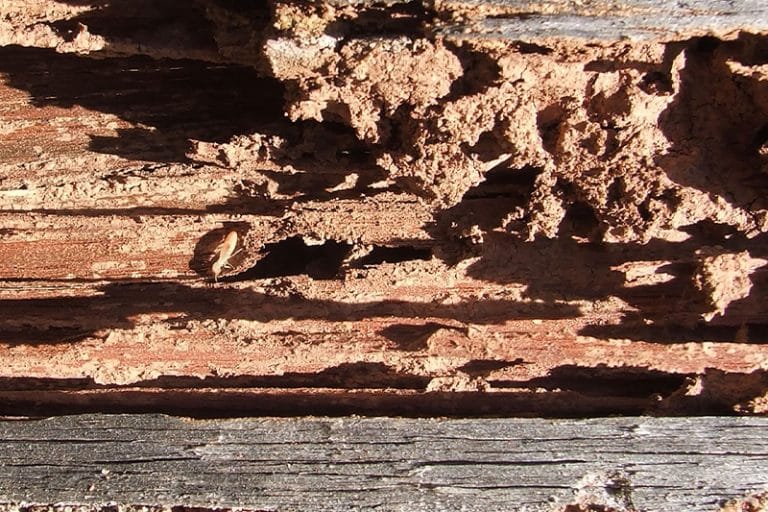
Termites don’t announce themselves. They don’t knock on your door or leave a calling card. Instead, they quietly chew through the wood framing, floor joists, and structural supports that keep your Casper home standing. By the time most homeowners realize they have a problem, these silent destroyers have already been at work for months or even years.
Here at Best Pest Control, we’ve seen firsthand what termite damage can do to Wyoming homes. Nationally, termites cause up to $5 billion in property damage every year, and plenty of that hits right here in our own backyard. The good news? If you know what to look for, you can catch an infestation early and save yourself a world of headache and expense. Let’s walk through the termite warning signs Casper homeowners should never ignore, so you can protect your biggest investment before these pests do serious harm.
Key Takeaways
- Termites cause up to $5 billion in property damage annually, making early detection of termite warning signs essential for Casper homeowners.
- Mud tubes along foundations, hollow-sounding wood, and discarded wings near windows are telltale signs of termite activity that should never be ignored.
- Subterranean termites thrive in Wyoming by burrowing deep into soil and tunneling into homes through foundations and crawl spaces.
- Buckling floors, sagging ceilings, and doors or windows that suddenly stick can indicate hidden termite damage within your home’s structure.
- If you spot termite warning signs, document the evidence, avoid disturbing it, and contact a certified pest control professional immediately.
- Acting quickly on suspected infestations saves money since termite damage worsens over time and is typically not covered by homeowner’s insurance.
Why Termites Are a Threat in Casper, Wyoming
Some folks assume termites are only a problem in warmer, wetter climates. That’s a dangerous misconception. While it’s true that termites thrive in humid environments, subterranean termites are well-adapted to Wyoming’s conditions. They burrow deep into the soil where temperatures stay more stable, then tunnel up into homes through foundations, crawl spaces, and anywhere wood contacts the ground.
Casper’s housing stock includes plenty of older homes with wood framing, and even newer construction isn’t immune. Termites don’t discriminate based on the age or value of your property. They’re opportunistic. If there’s wood and moisture, they’ll find a way in.
What makes termites particularly dangerous is their stealth. A colony can number in the hundreds of thousands, all working around the clock to consume cellulose from your home’s structure. They stay hidden inside walls, beneath floors, and within foundations. You might not see a single termite and still have a major infestation. That’s why recognizing the warning signs matters so much.
Visible Damage to Wood Structures
One of the most obvious termite warning signs is visible damage to wood, though “obvious” is relative here. Termites eat wood from the inside out, so by the time you notice surface damage, the destruction underneath is usually far worse.
Look for wood that appears crumbling, soft, or has a maze-like pattern of tunnels running through it. Baseboards, door frames, and window sills are common targets because they’re often close to the ground or near moisture sources. If you press on a piece of trim and it feels spongy or gives way, that’s a red flag.
Hollow-Sounding Wood
Here’s a simple test we recommend to homeowners: knock on the wood. Solid wood produces a solid sound. Termite-damaged wood sounds hollow or papery because the interior has been eaten away while the thin outer layer remains intact.
Try this on your baseboards, door frames, and any exposed wood in your basement or crawl space. Pay special attention to areas near plumbing, since termites are attracted to moisture. If something sounds off, it probably is.
Buckling Floors and Sagging Ceilings
Termite damage isn’t always limited to trim and framing you can easily access. When these pests attack floor joists and ceiling supports, you’ll start to notice structural changes throughout your home.
Floors may begin to buckle, warp, or feel uneven underfoot. You might notice that certain spots feel soft or bouncy when you walk across them. Ceilings can sag in areas where support beams have been compromised. Sometimes homeowners mistake these signs for water damage or foundation settling, but termites could be the real culprit.
If your floors or ceilings have changed recently and you can’t identify an obvious cause, it’s worth having a professional take a closer look.
Mud Tubes and Shelter Tunnels
Mud tubes are one of the most telltale signs of subterranean termite activity, and they’re something every Casper homeowner should know how to identify.
Subterranean termites need moisture to survive. They build pencil-sized tunnels made of soil, wood particles, and their own saliva to travel between their underground colony and their food source (your home). These tubes protect them from predators and dry air while maintaining the humid environment they require.
You’ll typically find mud tubes:
- Along your home’s foundation, both inside and outside
- On basement walls or in crawl spaces
- Climbing up concrete piers or support posts
- Near plumbing penetrations where pipes enter the structure
- On the inside of exterior walls
The tubes are usually about the width of a pencil, though they can be larger. They may look like veins snaking up your foundation wall. If you spot mud tubes around your Casper home, don’t disturb them before calling a professional. Breaking them open won’t solve the problem, and it can actually make it harder to assess the extent of the infestation.
Sometimes homeowners find old, dry mud tubes from a previous infestation that was naturally abandoned or treated. But you can’t tell by looking whether a tube is active or not. That determination requires professional inspection.
Discarded Wings and Swarmer Activity
Every spring and sometimes in fall, mature termite colonies send out swarmers. These are winged reproductive termites whose job is to leave the nest, mate, and establish new colonies. If you see swarmers in or around your home, you’ve got either an active infestation nearby or one about to start.
Swarmers are often mistaken for flying ants. Here’s how to tell the difference:
- Wings: Termite swarmers have four wings of equal length. Flying ants have two longer front wings and two shorter back wings.
- Body shape: Termites have a straight, thick waist. Ants have a pinched, narrow waist.
- Antennae: Termite antennae are straight. Ant antennae are bent or elbowed.
Even if you don’t catch the swarmers in action, you might find their discarded wings. After mating, swarmers shed their wings, leaving behind small piles that look almost like fish scales. Check near windowsills, door frames, light fixtures, and other spots where swarmers might be drawn to light.
Finding discarded wings inside your home is particularly concerning because it suggests termites may have already established a colony within your walls. Outdoors, it could mean a colony is nearby and eyeing your property as their next target.
Frass and Other Physical Evidence
Drywood termites, which can also be found in Wyoming, leave behind a different kind of evidence: frass. Frass is termite excrement, and it looks like tiny, elongated pellets about the size of grains of sand. The color varies depending on the type of wood the termites have been eating, ranging from light tan to dark brown.
Unlike subterranean termites that use their waste to build mud tubes, drywood termites push frass out of their tunnels through small kick-out holes. You might find little piles of frass:
- Beneath infested wood
- On windowsills
- Along baseboards
- In corners where walls meet floors
- On shelves or furniture near infested areas
The piles can be easy to miss or mistake for sawdust. But if you’re finding these tiny pellets repeatedly in the same areas even after cleaning them up, that’s a strong indicator of active drywood termite activity.
Other physical evidence to watch for includes pinpoint holes in drywall, bubbling or peeling paint that resembles water damage, and a fine powdery residue near wood surfaces. Sometimes you might even hear faint clicking sounds inside walls. That’s the sound of soldier termites banging their heads against wood to signal danger to the colony. Creepy, right?
Tight-Fitting Doors and Windows
This is one of those termite warning signs that homeowners often chalk up to seasonal changes or normal settling. Your door suddenly sticks. A window that used to open smoothly now requires extra force. You assume it’s humidity or the house shifting on its foundation.
And sometimes that’s exactly what it is. But termites can cause the same symptoms.
As termites tunnel through door frames and window frames, they produce moisture. Wood absorbs that moisture and swells, throwing off the alignment of doors and windows. The frame may also physically warp as the structural integrity is compromised.
If you notice doors or windows becoming difficult to open or close, especially when combined with any of the other warning signs we’ve discussed, take it seriously. Check the surrounding wood for other indicators like soft spots, hollow sounds, or visible damage.
Best Pest Control gets calls all the time from Casper homeowners who initially thought they just needed to adjust their door hinges. Turns out, termites were the real problem. It’s always better to investigate and rule termites out than to assume it’s something minor.
What to Do if You Spot These Warning Signs
So you’ve found mud tubes along your foundation. Or maybe your baseboards sound hollow. What now?
First, don’t panic. But don’t wait, either. Termite damage gets worse with time, never better. The sooner you address an infestation, the less it will cost you in repairs.
Here’s what we recommend:
- Document what you’ve found. Take photos of mud tubes, damaged wood, discarded wings, or frass. Note the locations and when you first noticed them.
- Avoid disturbing the evidence. Don’t break open mud tubes or spray insecticide on areas you suspect are infested. This can scatter the colony and make treatment more difficult.
- Call a certified pest control professional. DIY termite treatments rarely work and often make things worse. You need someone who can properly assess the extent of the infestation and recommend effective treatment options.
- Request a thorough inspection. A good inspection covers your foundation, basement or crawl space, attic, and all accessible wood structures. The inspector should provide a detailed report of findings and explain your treatment options clearly.
- Act on the recommendations. Once you have a treatment plan, follow through. Termites won’t go away on their own, and every day you delay gives them more time to cause damage.
Professional treatment might include liquid termiticides applied around your foundation, bait systems that eliminate colonies over time, or targeted treatments for localized infestations. The right approach depends on the type of termites, the extent of the problem, and your home’s construction.
Conclusion
Termite damage is one of those problems that’s much easier to prevent than to repair. The structural repairs can run into thousands of dollars, and homeowner’s insurance typically doesn’t cover termite damage because it’s considered preventable with regular inspection and maintenance.
The termite warning signs we’ve covered today aren’t hard to spot once you know what you’re looking for. Mud tubes along your foundation. Hollow-sounding wood. Discarded wings near windows. Tiny piles of frass. Doors and windows that suddenly stick. Any of these should prompt a call to a professional.
At Best Pest Control, we’ve been helping Casper homeowners and businesses throughout Wyoming tackle termite problems for years. We know these pests and we know how to get rid of them. If you’ve noticed any of the warning signs discussed here, or if you just want peace of mind with a professional inspection, give us a call. We’ll check your foundation, crawl spaces, attics, and everywhere else termites like to hide.
Don’t give termites time to turn a small problem into a major one. Contact Best Pest Control today and let’s make sure your home stays protected.
Frequently Asked Questions
What are the most common termite warning signs Casper homeowners should look for?
Key termite warning signs include mud tubes along your foundation, hollow-sounding wood when knocked, discarded wings near windows, tiny frass pellets resembling sand, buckling floors, and doors or windows that suddenly stick. Catching these signs early can save Casper homeowners thousands in structural repairs.
How do I tell the difference between termite swarmers and flying ants?
Termite swarmers have four wings of equal length, a straight thick waist, and straight antennae. Flying ants have two longer front wings and two shorter back wings, a pinched narrow waist, and bent or elbowed antennae. Identifying swarmers correctly helps determine if you have a termite infestation.
Can termites survive in Wyoming’s cold climate?
Yes, subterranean termites thrive in Wyoming despite colder temperatures. They burrow deep into soil where temperatures remain stable, then tunnel up into homes through foundations and crawl spaces. Casper homes with wood framing—whether old or new construction—are vulnerable to termite infestations year-round.
What should I do if I find mud tubes around my home’s foundation?
Don’t disturb or break open the mud tubes. Document the evidence with photos, note the locations, and call a certified pest control professional immediately. Breaking mud tubes can scatter the colony and make treatment more difficult. A professional inspection will assess the infestation’s extent.
Does homeowners insurance cover termite damage in Wyoming?
Homeowner’s insurance typically does not cover termite damage because it’s considered preventable through regular inspection and maintenance. Since structural repairs can cost thousands of dollars, scheduling annual professional termite inspections is essential for protecting your investment and catching problems early.
How much damage can termites cause if left untreated?
Termites cause up to $5 billion in property damage nationally each year. A single colony can number in the hundreds of thousands, working around the clock to consume wood framing, floor joists, and structural supports. Untreated infestations worsen over time, potentially compromising your home’s structural integrity.