
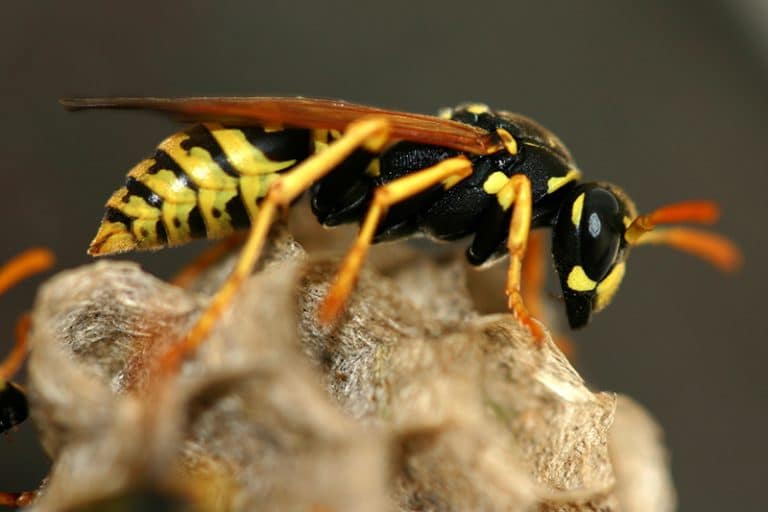
When temperatures climb and the days grow longer in Casper, we’re not the only ones enjoying the warmth. Summer brings a predictable surge in pest activity across Wyoming, and if you’ve lived here long enough, you know exactly what that means: ants trailing across kitchen counters, spiders setting up shop in corners, and wasps building nests in the worst possible spots.
Understanding what pests to expect, and why they’re suddenly everywhere, can help you stay ahead of infestations before they take hold. At Best Pest Control, we’ve been tackling these summer invaders for years, and we know the patterns, the warning signs, and the solutions that actually work. Whether you’re dealing with a few unwelcome visitors or a full-blown infestation, this guide covers what Casper homeowners need to know about ants, spiders, wasps, and other summer pests.
Why Summer Brings More Pests to Casper Homes
It’s no coincidence that pest problems spike between June and September. The science behind it is straightforward: warmer temperatures accelerate insect metabolism, reproduction, and activity levels. Pests that remained dormant or sluggish during Wyoming’s cold months suddenly become highly active, breeding rapidly and expanding their territories.
Casper’s semi-arid climate plays a role too. Summer heat drives pests indoors in search of water and cooler shelter. Your home, with its reliable moisture sources and climate-controlled environment, becomes prime real estate for insects looking to escape the midday sun.
There’s also the food factor. Summer means more outdoor cooking, open windows, and increased foot traffic between inside and outside. Every crumb left behind, every door held open a moment too long, creates an opportunity for pests to discover what your home has to offer. Once they find a food or water source, they leave chemical trails that guide others straight to your doorstep.
We see this pattern repeat every year in Casper. By understanding why pests behave the way they do in summer, you’re better equipped to interrupt their plans before they become permanent houseguests.
Ants: The Most Common Summer Invaders
Ants are some of the most common and annoying insects around your home, and they’re also some of the hardest to eliminate. What makes them so persistent? Numbers. A single ant colony may house anywhere from 300,000 to 500,000 ants. That tiny line of ants crossing your kitchen floor represents just a fraction of a much larger population working tirelessly nearby.
Most ants found inside homes actually have nests outdoors and only enter in search of food and water. But, a small number may establish permanent residence within your walls, which complicates treatment significantly. Finding and eliminating the nests, not just the visible ants, is vital for real ant control.
Types of Ants Found in Casper
Several ant species call the Casper area home, and knowing which type you’re dealing with matters for effective treatment:
Pavement ants are among the most common, building nests in cracks in driveways, sidewalks, and foundations. They’re small, dark brown to black, and often the culprits behind those little dirt mounds you see pushing up through concrete gaps.
Carpenter ants are larger and more destructive. Unlike termites, they don’t eat wood, but they do excavate it to build nests, potentially causing structural damage over time. If you’re finding sawdust-like debris near wooden structures, carpenter ants could be the cause.
Odorous house ants give off a distinct smell when crushed (often described as rotten coconut). They’re attracted to sweets and commonly invade kitchens during summer months.
Signs of an Ant Infestation
Spotting a few ants doesn’t always mean you have a problem, but certain signs suggest something bigger is going on:
- Visible trails: Ants following the same path repeatedly indicates they’ve established a route to a food source
- Dirt mounds: Small piles of soil near your foundation or in cracks signal outdoor nests nearby
- Winged ants indoors: Flying ants inside your home often indicate a mature colony looking to expand
- Sawdust piles: Fine wood shavings near wooden structures could point to carpenter ant activity
Ants can fit through the smallest of cracks, tiny gaps under doors, around windows, or through vents. Once inside, they leave a chemical trail for other ants to follow. That’s why treating a few visible ants rarely solves the problem. At Best Pest Control, we inspect your home and property inside and out, identify the ant species, and put together a complete pest control plan targeting the actual colonies.
Spiders: What to Watch for This Season
Spiders tend to make people uncomfortable, even though most species are completely harmless, and actually beneficial, since they feed on other insects. Still, finding a large spider in your bedroom or basement isn’t exactly a welcome surprise.
Summer increases spider activity for a simple reason: more insects mean more food. Spiders follow their prey, and if your home has flies, mosquitoes, or other bugs, spiders won’t be far behind. They’re also drawn to undisturbed areas, basements, attics, closets, garages, and wood piles where they can build webs and wait.
Common Casper Spiders and Which Ones to Worry About
The good news? Most spiders in the Casper area are harmless. The bad news? A couple of species warrant genuine caution.
Wolf spiders are large, hairy, and fast, which makes them alarming even though they’re not dangerous to humans. They don’t build webs: instead, they hunt their prey actively. Finding one in your home usually means it wandered in while hunting, though they sometimes establish residence in basements or ground-level areas.
Black widows are the primary concern in Wyoming. Identifiable by their glossy black bodies and red hourglass marking, black widows have venom that can cause serious reactions in humans. They prefer dark, undisturbed spaces: woodpiles, sheds, garages, and cluttered storage areas.
Hobo spiders are often confused with more dangerous species but pose minimal threat. They build funnel-shaped webs and are commonly found in basements and window wells.
While most spiders are harmless, seeing a wolf spider or black widow may be cause for alarm. We check attics, crawl spaces, and even wood piles to find and eliminate spiders from your property. If you’re unsure what you’re dealing with, it’s worth having a professional take a look.
Wasps and Stinging Insects Around Your Property
Few pests generate as much anxiety as wasps and other stinging insects. Mostly a nuisance, wasps pack a powerful sting and could be dangerous to those with allergies. For people sensitive to their venom, a single sting can trigger severe allergic reactions requiring immediate medical attention.
Wasps become increasingly aggressive as summer progresses into fall. Early in the season, they’re focused on building nests and hunting protein sources (other insects) to feed their larvae. By late summer, their diet shifts to sugars, which is why they become more interested in your outdoor meals, garbage cans, and sugary drinks.
Paper wasps, yellowjackets, and hornets are all common in the Casper area. Each has different nesting habits and aggression levels, but all can deliver painful stings, and unlike bees, they can sting multiple times.
Identifying Wasp Nests and Activity
Catching a wasp problem early makes removal much simpler and safer. Here’s what to look for:
Paper wasp nests are umbrella-shaped with visible hexagonal cells, often found under eaves, deck railings, or in sheltered spots. They’re usually small and contain relatively few wasps.
Yellowjacket nests are enclosed and can be found in the ground (abandoned rodent burrows are a favorite), in wall voids, or in other protected cavities. These colonies can grow large, thousands of individuals by late summer, and yellowjackets are notoriously defensive.
Mud dauber nests look like small tubes made of mud, often built on walls, under eaves, or in garages. These solitary wasps are less aggressive but still unwelcome.
If you see wasps repeatedly flying to and from the same location, there’s likely a nest nearby. Watch their flight pattern, it often leads directly to the nest entrance.
If you find a nest, we strongly recommend calling Best Pest Control rather than attempting removal yourself. We’ll inspect and provide the right remedy to protect your family, using methods appropriate for the species and nest location.
Other Summer Pests to Expect in the Casper Area
While ants, spiders, and wasps dominate summer pest concerns, they’re not the only critters making themselves at home during warm months.
Cockroaches thrive in summer heat and humidity. An unwelcome house guest, cockroaches can enter your home through even the smallest crack. They’re good at hiding, reproduce quickly, and can turn into an infestation even if you’re using sprays and traps. If you turn on the kitchen lights at night and see them scatter, or notice feces that resemble coffee grounds, you may have a roach problem.
Bed bugs have made an unwelcome comeback in Wyoming, primarily due to increased travel. They can hitch a ride on your clothing and luggage, making them nearly impossible to keep at bay. Bed bugs can live 300 days, and females can lay 5 eggs a day, meaning an infestation can escalate quickly. If you’re waking up with red, itchy welts, don’t wait to call.
Rodents may seem like a fall and winter problem, but summer activity around your property can set the stage for later infestations. Mice and rats scout for food sources and entry points during warm months, then move in when temperatures drop.
Earwigs, centipedes, and millipedes also increase during summer, often entering homes seeking moisture. While mostly harmless, nobody wants them crawling across their floors.
The takeaway? Summer is prime time for pest activity of all kinds. Staying vigilant about multiple species, not just the obvious ones, helps you catch problems before they spiral.
Practical Prevention Tips for a Pest-Free Summer
Prevention is always easier than treatment. Here are practical steps you can take to make your Casper home less attractive to summer pests:
Seal entry points. Inspect your home’s exterior for cracks, gaps around windows and doors, damaged screens, and openings around utility lines. Ants can fit through incredibly tiny spaces, so be thorough.
Eliminate food sources. Keep counters clean, store food in sealed containers, and don’t leave pet food out overnight. Take garbage out regularly and use bins with tight-fitting lids.
Reduce moisture. Fix leaky faucets, ensure proper drainage around your foundation, and use dehumidifiers in damp basements. Many pests, including ants and cockroaches, are drawn to water sources.
Clear yard debris. Mulch, leaf litter, woodpiles, and overgrown vegetation provide shelter and breeding grounds for pests. Keep these away from your home’s foundation and trim shrubs that touch exterior walls.
Address standing water. Empty birdbaths, kiddie pools, and any containers that collect rainwater. Standing water attracts mosquitoes and provides drinking sources for other pests.
Inspect regularly. Walk your property periodically to look for ant mounds, wasp nests, spider webs in unusual concentrations, or other signs of pest activity. Early detection makes treatment far simpler.
Consider ongoing treatment. Setting up a regular treatment plan helps repel bugs before they become problems. At Best Pest Control, we can establish ongoing service to protect your home throughout the season.
Whether you have kids and pets, or simply want a more eco-friendly solution than standard pesticides, we have options. Our promise is to get rid of the bugs and pests so you can have absolute peace of mind.
Conclusion
Summer in Casper means sunshine, outdoor activities, and, unfortunately, increased pest activity. Ants, spiders, wasps, and a host of other unwelcome visitors become more aggressive and more numerous as temperatures rise. Knowing what to expect and recognizing early warning signs gives you a significant advantage in keeping your home pest-free.
Prevention goes a long way, but some infestations require professional intervention. Ant colonies containing hundreds of thousands of individuals, wasp nests in dangerous locations, and spider populations in hidden spaces often need more than DIY solutions can provide.
If you see any of these suspects in your home, business, or property, don’t hesitate to get in touch. At Best Pest Control, we’re here to help protect your home from pests inside and out, whether it’s ants, spiders, wasps, or anything else that creeps or crawls. Contact us today, and let’s make sure your summer isn’t spent battling bugs.